
Elecylinder
In many production lines, pneumatic cylinders remain a familiar choice because of their simple construction, easy installation, and relatively low initial investment cost. However, as machines begin to require more stable speeds, smoother stopping, or adjustable positions for different products, the limitations of pneumatic systems gradually become more apparent. This is where the IAI EleCylinder electric actuator becomes a solution worth considering.
IAI developed the EleCylinder with a highly practical concept: maintaining the simple operation of a pneumatic cylinder while replacing compressed-air drive with an electric motor and adding numerical motion control. As a result, engineers can easily adjust position, speed, acceleration, and deceleration without turning a simple forward-and-backward mechanism a complex servo system.
What is the IAI EleCylinder?
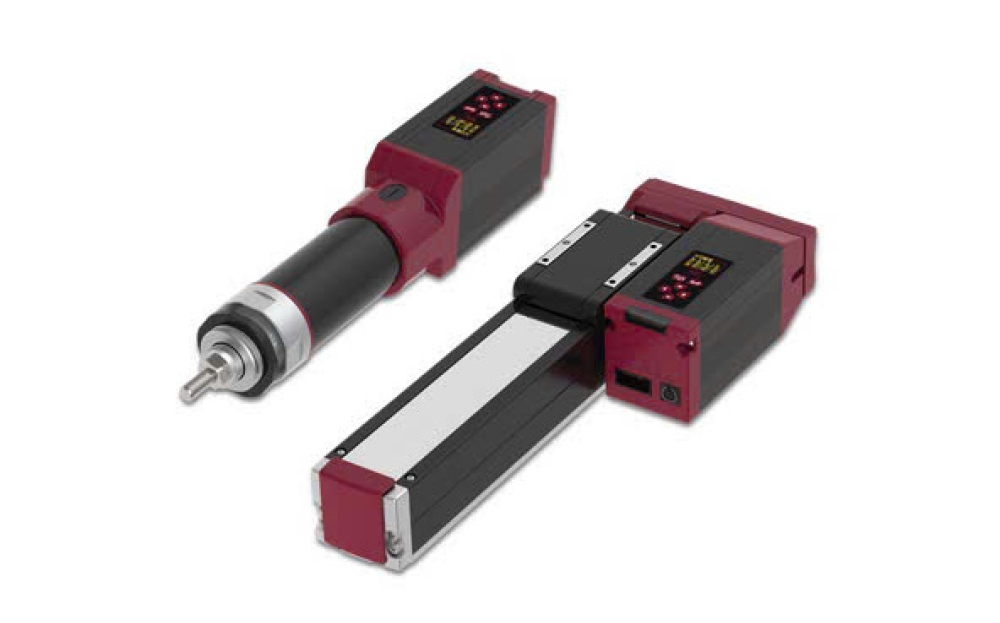
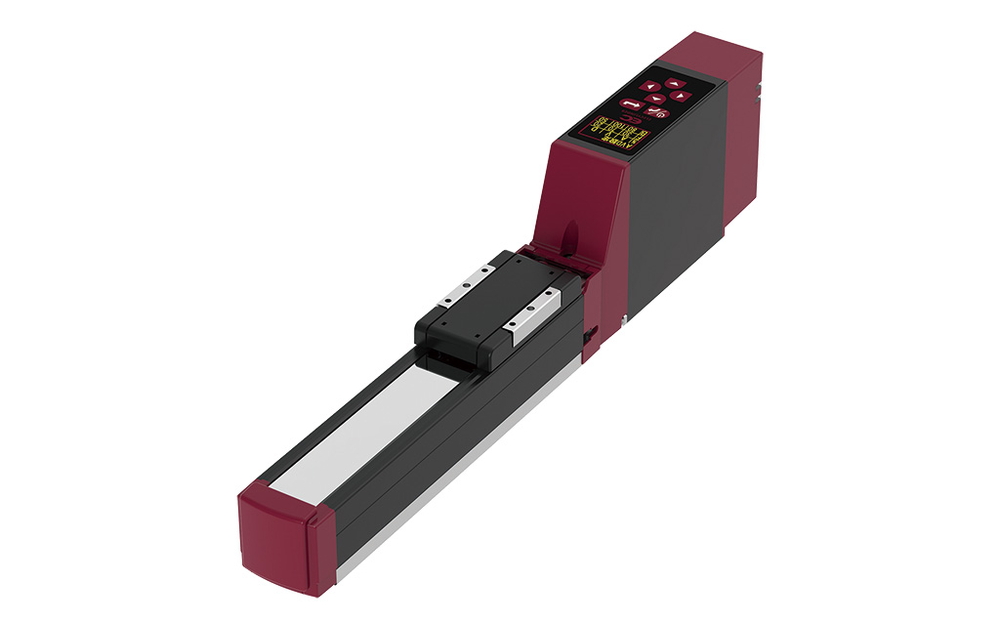
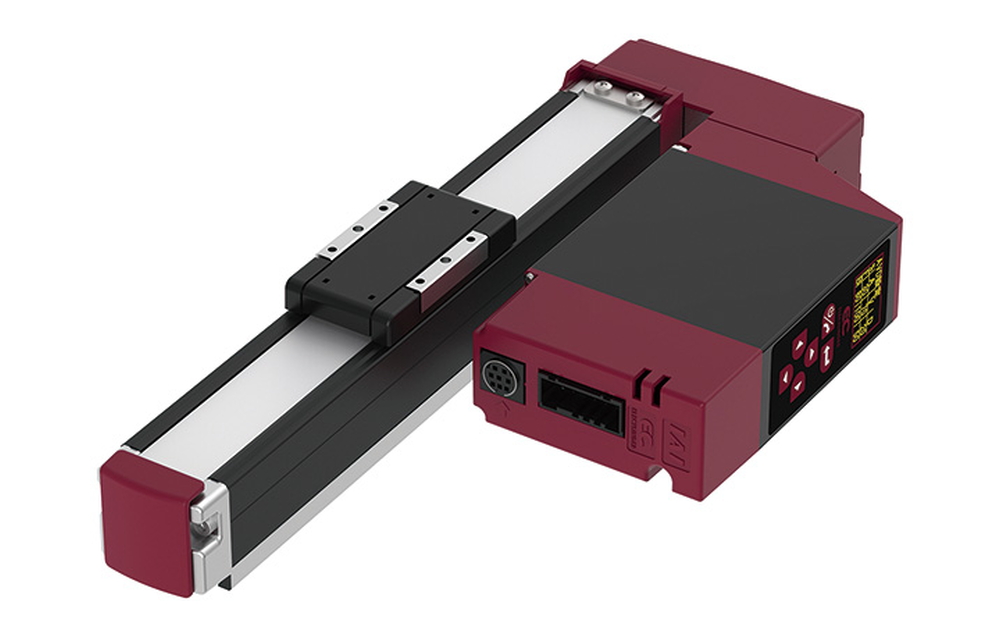
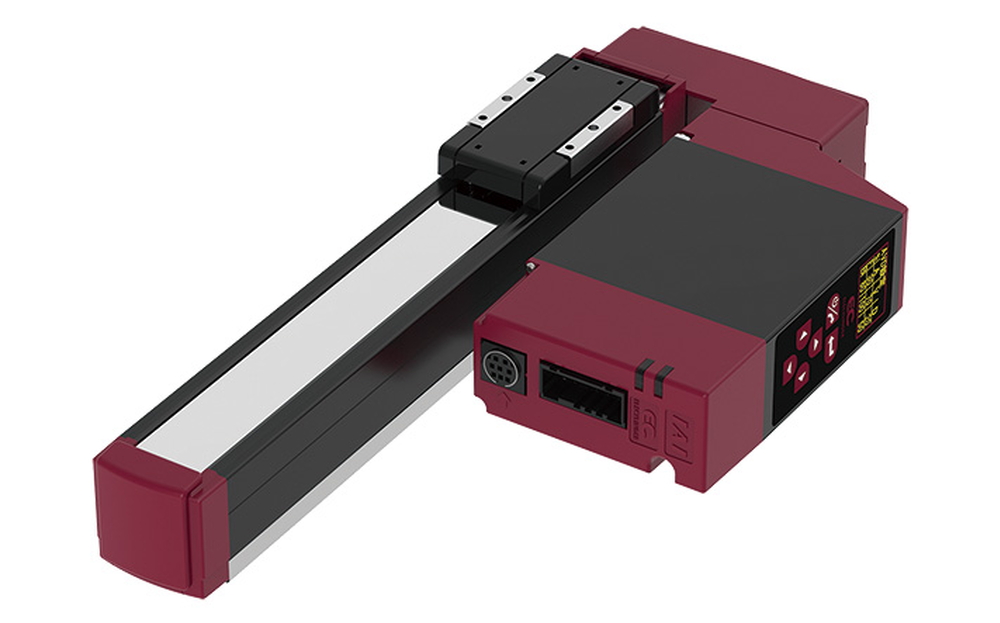
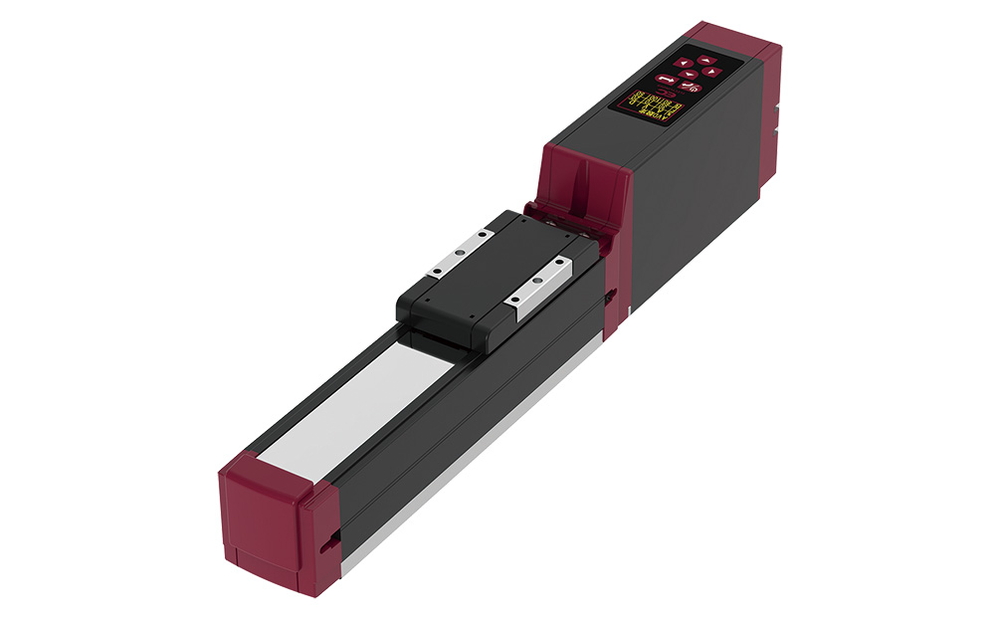
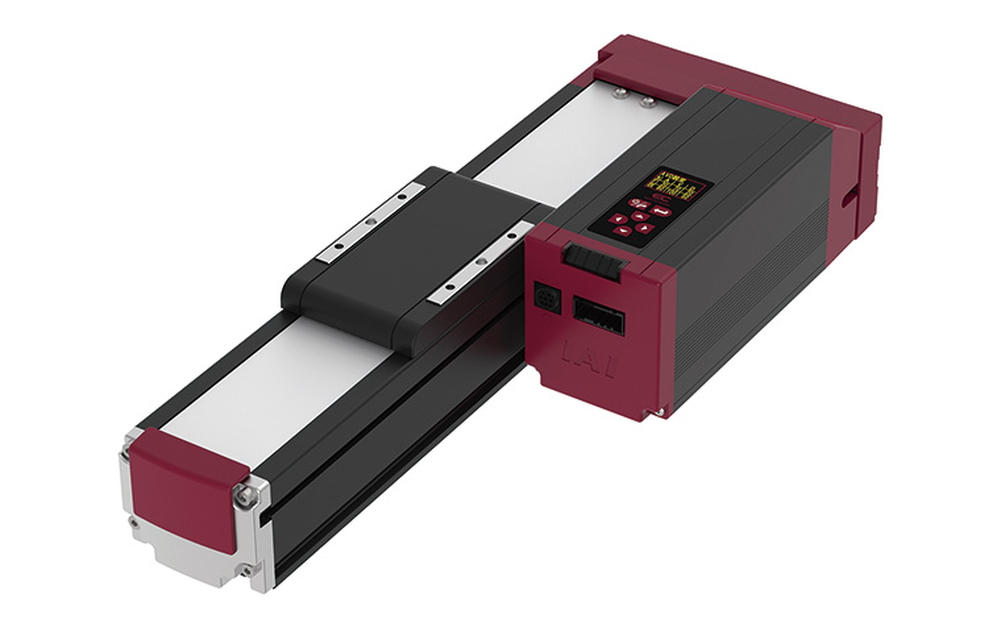
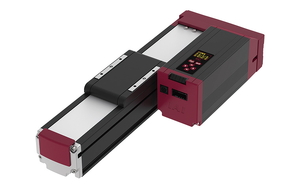
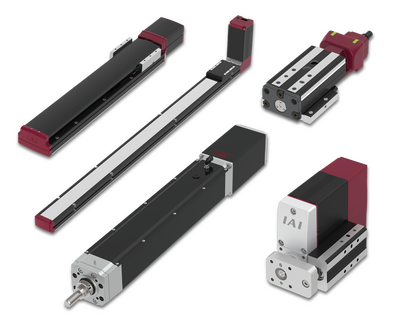
EleCylinder is IAI's electric actuator series designed for relatively simple motion and positioning applications. One of its key features is that the controller is integrated directly the actuator together with the motor and encoder. This helps reduce the number of devices required inside the control cabinet and makes replacing a pneumatic cylinder with an electric actuator more compact and straightforward.
In simple terms, a conventional pneumatic cylinder generally operates through the following sequence: solenoid valve → compressed air → piston → motion. With the EleCylinder, the process becomes PLC → integrated controller → motor → drive mechanism → motion.
The major difference is that users no longer have to rely heavily on manually adjusting flow control valves. The EleCylinder allows individual settings for Acceleration, Velocity, and Deceleration. IAI commonly refers to these three parameters as A/V/D.
In real applications, this feature is highly useful. An actuator can accelerate quickly after starting, travel at high speed through most of its stroke, and then decelerate before reaching the final position. This allows the machine to maintain a good cycle time while achieving smoother stopping, reduced vibration, and less impact on the product or jig.
A Key Strength of EleCylinder: Adjustable Motion Control
With a conventional pneumatic cylinder, if the speed is not suitable, technicians often need to open the machine and readjust the flow control valve. Actual performance may also vary depending on air pressure, load conditions, or the condition of the plant's central compressed-air system.
The EleCylinder handles this differently. Motion parameters are set numerically, making adjustments much more repeatable. When the production line changes Product A to Product B, technicians can modify the speed or stopping position according to the new requirements instead of adjusting the pneumatic system by feel.
This is a significant advantage for factories that frequently change product models, product sizes, or manufacture multiple product variants on the same machine.
EleCylinder Supports 2-Position and 3-Position Operation
One reason why the EleCylinder is easy to use as a replacement for pneumatic cylinders is that its basic control concept is similar to a conventional two-end-position motion:
Start Position ⇄ End Position
For example, the actuator can move 0 mm to 300 mm and then return to the starting position. For many automation processes, two positions are already sufficient.
However, the current EleCylinder range also includes a 3 Position Mode. In addition to the start and end positions, users can configure an intermediate position.
Start Position → Intermediate Position → End Position
For example, a slider can receive a product at 0 mm, stop at 150 mm for camera inspection, and then continue to 300 mm to transfer the product to the next process. In applications like this, having an intermediate position can eliminate the need for mechanical stoppers or an additional actuator.
IAI EleCylinder Rod Type – The Closest Alternative to a Pneumatic Cylinder
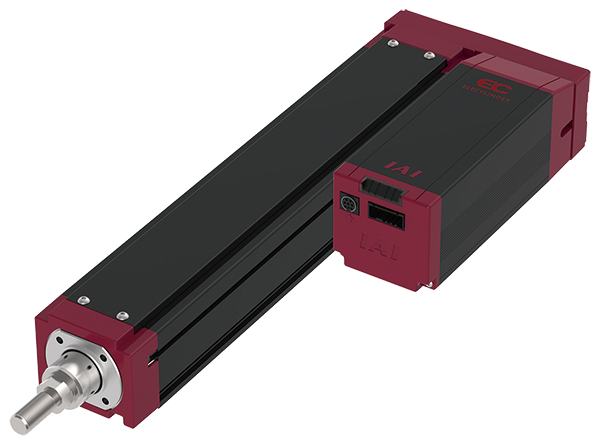
If your machine is currently using pneumatic cylinders, the Rod Type is often the easiest EleCylinder configuration to understand. The actuator rod extends and retracts to perform tasks such as pushing workpieces, lifting, inserting components position, alignment, or pressing within the allowable operating range.
IAI also offers Radial Cylinder models with integrated linear guides. This design is more suitable when the mechanism must handle lateral loads or loads positioned away the rod centerline. This is an important consideration when converting pneumatic to electric actuation: engineers should not simply compare stroke and thrust and an actuator with similar values.
For overhung loads, eccentric loads, or mechanisms that generate significant moments, allowable moment, mounting orientation, and overhang length should also be checked. Proper actuator selection the beginning helps ensure stable operation and prevents the guide mechanism being subjected to loads beyond its allowable limits.
IAI EleCylinder Slider – Ideal for Transfer and Positioning
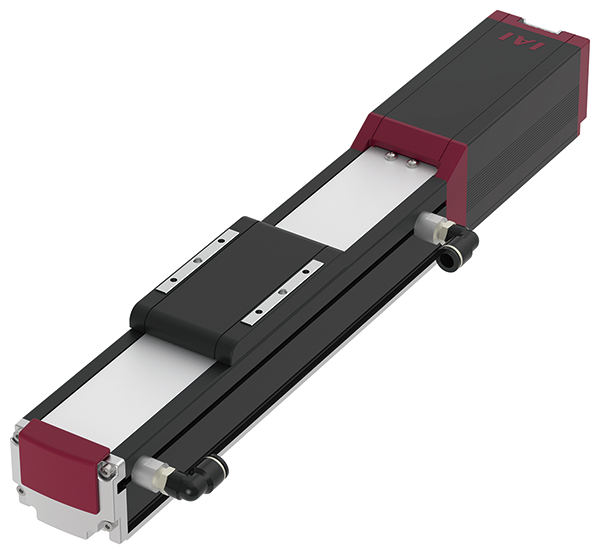
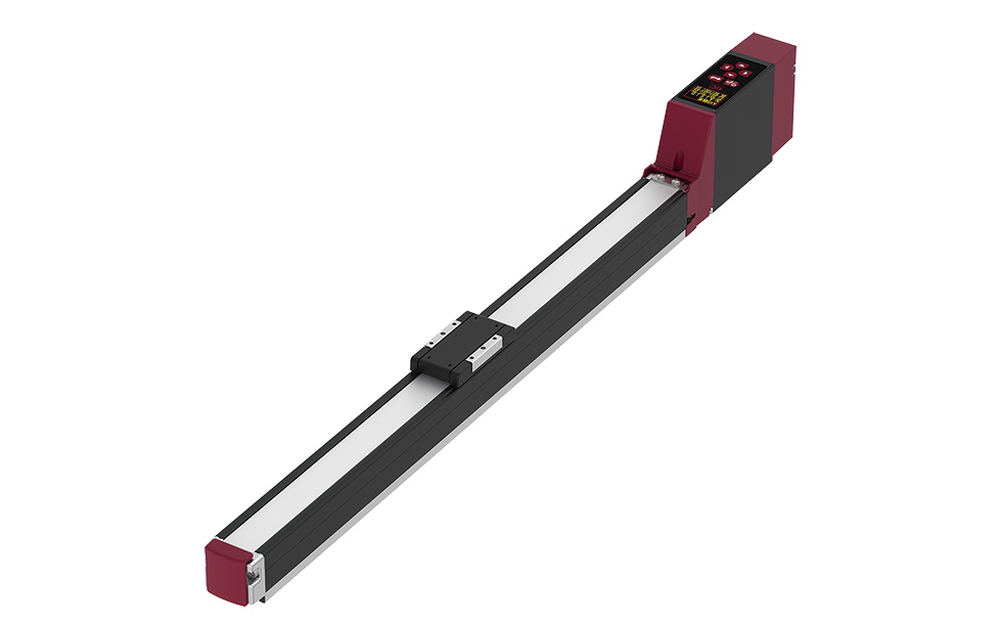
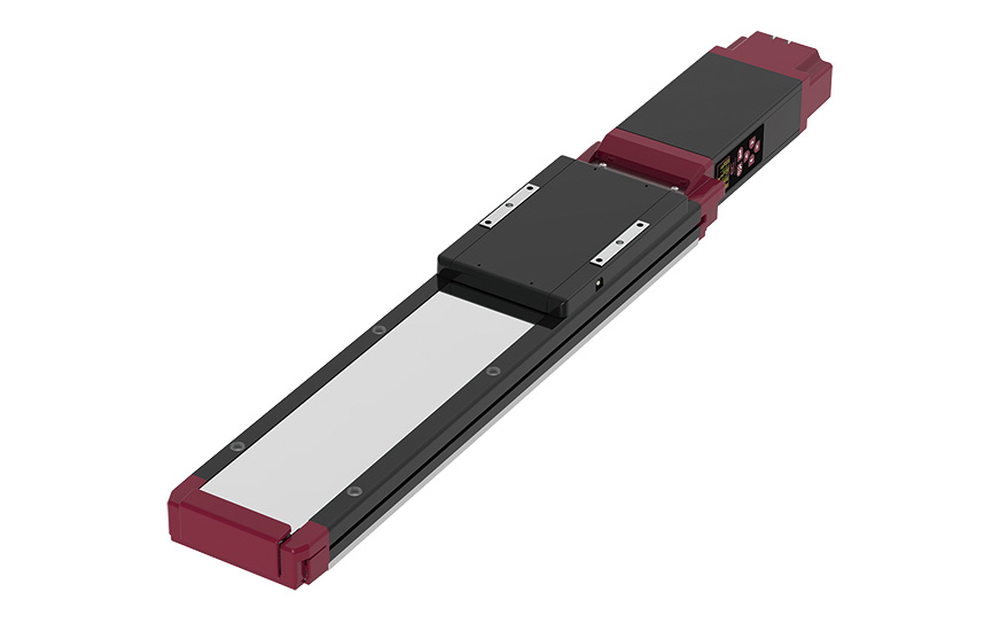
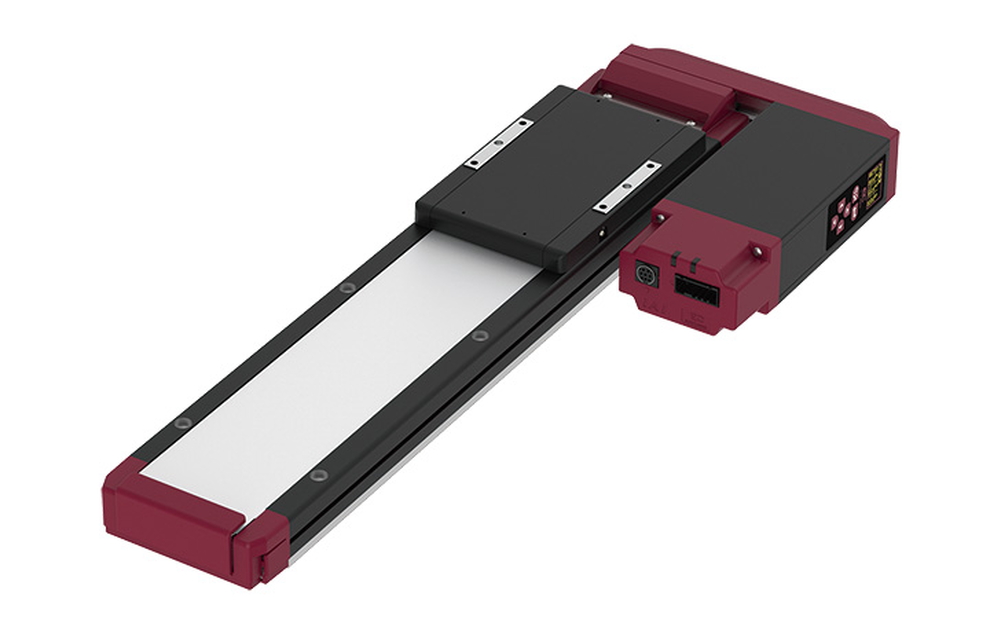
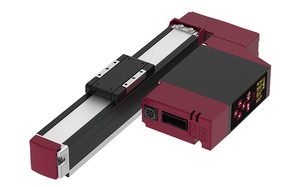
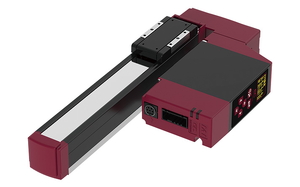
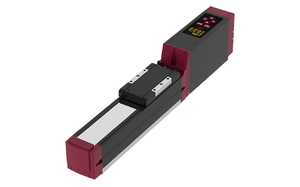
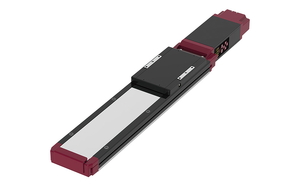
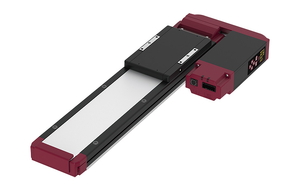
When a product or jig needs to be mounted directly onto the moving mechanism, the EleCylinder Slider is often more suitable than a Rod Type actuator. The slider includes an integrated guide system, allowing the table to move while supporting loads and moments more effectively in many applications.
Typical applications for the EleCylinder Slider include:
- Transferring products between processes.
- Transferring pallets or jigs.
- Positioning cameras and sensors.
- Machine loading and unloading.
- Moving products inspection positions.
- Simple Pick & Place applications.
IAI offers a wide range of Slider models, compact units to long-stroke and high-payload actuators. Some EleCylinder Slider series can handle horizontal loads of several hundred kilograms. However, the highest shown in catalogs represent the performance range of the overall product family and should not be considered standard specifications for every model.
Mini EleCylinder for Space-Constrained Applications
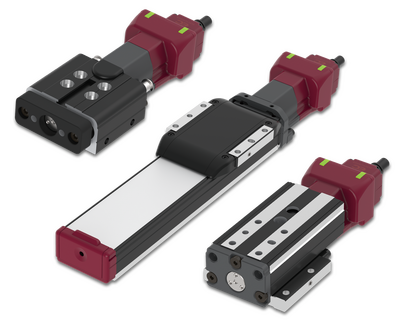
In electronics equipment, connector assembly machines, or compact inspection systems, the biggest challenge is sometimes not force but installation space. IAI offers dedicated Mini and Micro EleCylinder models for these applications.
Despite their compact dimensions, Mini EleCylinder models retain the characteristic EC-series design with an integrated motor, encoder, and controller. Rod, slider, and table configurations provide engineers with greater flexibility when installing actuators inside compact machinery.
EleCylinder Is Not Limited to Linear Motion
The term “electric cylinder” may lead some users to think that the EleCylinder is only designed for linear forward-and-backward movement. In reality, IAI has developed the EC family a broad product range that also includes rotary actuators and electric grippers.
EleCylinder Rotary – Rotating and Reorienting Products
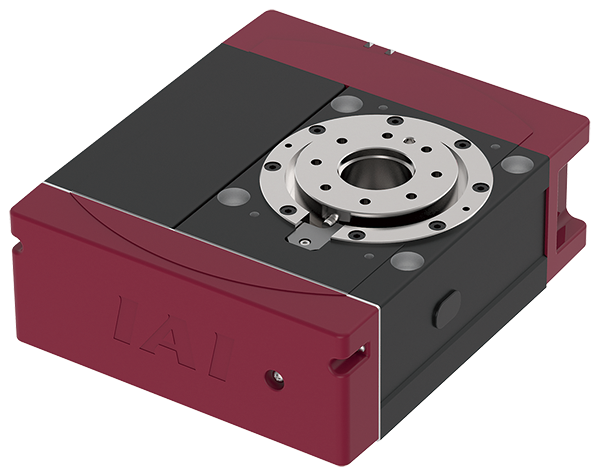
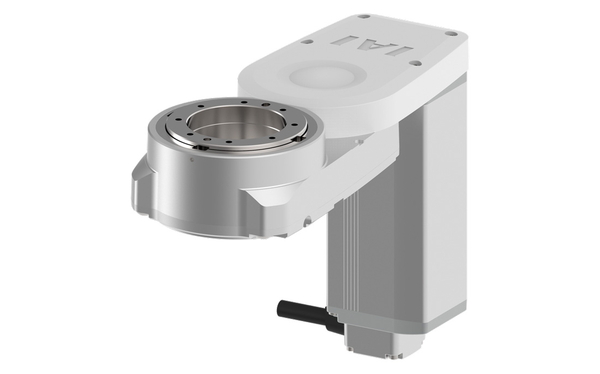
EleCylinder Rotary is used when a machine needs to rotate a component or change its orientation. The EC-RTC18 shown above is one of IAI's larger rotary models, with a maximum rotation angle of 330 degrees and maximum torque of up to 25 Nm depending on operating conditions.
Typical applications for Rotary EleCylinder include rotating a product before inspection, changing component orientation, rotating small pallets, or integrating with Pick & Place systems.
EleCylinder Gripper – Electric Gripper with Integrated Controller
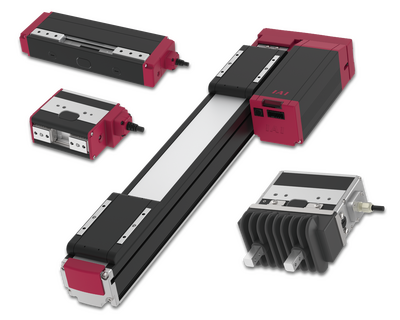
For product handling processes, the EleCylinder Gripper makes it easier to adjust gripping force and stroke compared with many simple pneumatic gripping mechanisms. IAI currently offers several gripper types, including parallel grippers, long-stroke grippers, and three-finger grippers.
Products that can easily deform, such as plastic components, bottles, or parts with sensitive surfaces, often require careful control of gripping force. In these cases, an electric gripper provides greater adjustment flexibility and better repeatability when changing products.
IAI EleCylinder vs. Pneumatic Cylinder
| Criteria | IAI EleCylinder | Pneumatic Cylinder |
|---|---|---|
| Drive Source | Electricity | Compressed air |
| Speed Adjustment | Numerical setting | Usually adjusted with a flow control valve |
| Acceleration / Deceleration | Individually configurable | Difficult to control precisely |
| Number of Positions | 2 positions, optional 3-position operation | Normally two stroke-end positions |
| Controller | Integrated the actuator | No motion controller required |
| Adjustment When Changing Products | Convenient and flexible | May require pneumatic or mechanical readjustment |
| Initial Investment | Generally higher | Generally lower |
The table above should not be interpreted as meaning that the EleCylinder is better in every application. A pneumatic cylinder used only for simple opening and closing operations, operating infrequently and without requiring precise speed control, may still be the more economical solution.
EleCylinder becomes particularly worth considering in positions where end-of-stroke impact is a problem, operating speed is difficult to keep stable, frequent readjustment is required when changing products, an intermediate stopping position is needed, or the company wants to reduce dependence on compressed air.
Applications of IAI EleCylinder in Manufacturing
When looking at an automated production line, EleCylinder actuators can be found in many different processes. A Rod Type can push a workpiece a machine, a Slider can move a jig to the next station, a Rotary actuator can rotate a product, while a Gripper can hold and release components.
Common applications include:
- Workpiece feeding and pushing.
- Product and pallet transfer.
- Pick & Place.
- Machine loading and unloading.
- Positioning cameras, sensors, and inspection equipment.
- Component assembly.
- Packaging and product sorting.
- Lifting and height adjustment.
- Rotating and reorienting components.
How to the Right IAI EleCylinder
A common mistake is to provide only a requirement such as: “I need an electric cylinder with a 300 mm stroke.” Stroke is only one of many parameters that should be considered.
To the correct model, you should prepare at least the following information:
- Mechanism Type: Rod, Slider, Table, Rotary, or Gripper.
- Stroke: Actual required travel distance.
- Payload: Including both the product and jig.
- Mounting Orientation: Horizontal, vertical, or special orientation.
- Speed: Required operating speed.
- Cycle Time: Time required to complete one operating cycle.
- Thrust: Required for pressing or pushing operations.
- Moment and Overhang: Particularly important for eccentric loads.
- Operating Environment: General environment, cleanroom, dust, or water exposure.
- Control: 2-position, 3-position, or network-connected operation.
With this information available, EleCylinder selection becomes significantly more accurate. Engineers can evaluate payload, speed, lead, moment, and expected service life instead of simply choosing a model with dimensions similar to the existing pneumatic cylinder.
Should All Pneumatic Cylinders Be Replaced with EleCylinder?
The answer is generally no, it is not necessary. A more effective approach is to identify the locations where electric actuation can provide real benefits.
A mechanism that only opens and closes a few times per hour may continue to use a pneumatic cylinder. On the other hand, an actuator that operates continuously, frequently experiences end-of-stroke impact, requires regular speed adjustment, or needs different stopping positions for different products is a strong candidate for evaluation with EleCylinder.
This step-by-step electrification approach allows manufacturers to improve production lines gradually, manage investment costs, and continue using their existing pneumatic infrastructure where it remains appropriate.
Conclusion
IAI EleCylinder is not simply a pneumatic cylinder with an electric motor replacing compressed air. The greatest value of the product lies in its ability to provide better motion control while maintaining relatively simple operation.
An integrated controller, configurable acceleration, velocity, and deceleration, support for 2-position or 3-position operation, and a broad product lineup ranging Rod and Slider types to Rotary actuators and Grippers make the EleCylinder suitable for many processes including workpiece pushing, transfer, lifting, positioning, and Pick & Place.
However, to ensure stable operation and long service life, the model should be selected based on payload, stroke, speed, thrust, moment, mounting orientation, and cycle time. Selection should not be based solely on the stroke or external dimensions of the pneumatic cylinder currently being used.
Frequently Asked Questions About IAI EleCylinder
Is EleCylinder an electric cylinder?
Yes. EleCylinder is IAI's electric actuator series. In addition to Rod Type models that resemble conventional cylinders, the EC range also includes Slider, Rotary, Gripper, and other configurations.
Does IAI EleCylinder require an external controller?
The controller is integrated the EleCylinder, helping reduce the number of external devices and wiring compared with many electric actuator systems that require a separate controller.
Can EleCylinder stop at three positions?
Yes. Compatible EleCylinder models support a 3 Position Mode, allowing users to configure a start position, an intermediate position, and an end position.
When should a pneumatic cylinder be replaced with an EleCylinder?
EleCylinder should be considered for mechanisms that require better control of speed and stopping position, frequently change between different products, experience excessive end-of-stroke impact, require an intermediate stopping position, or need to reduce compressed-air consumption.
Related products



Product Reviews